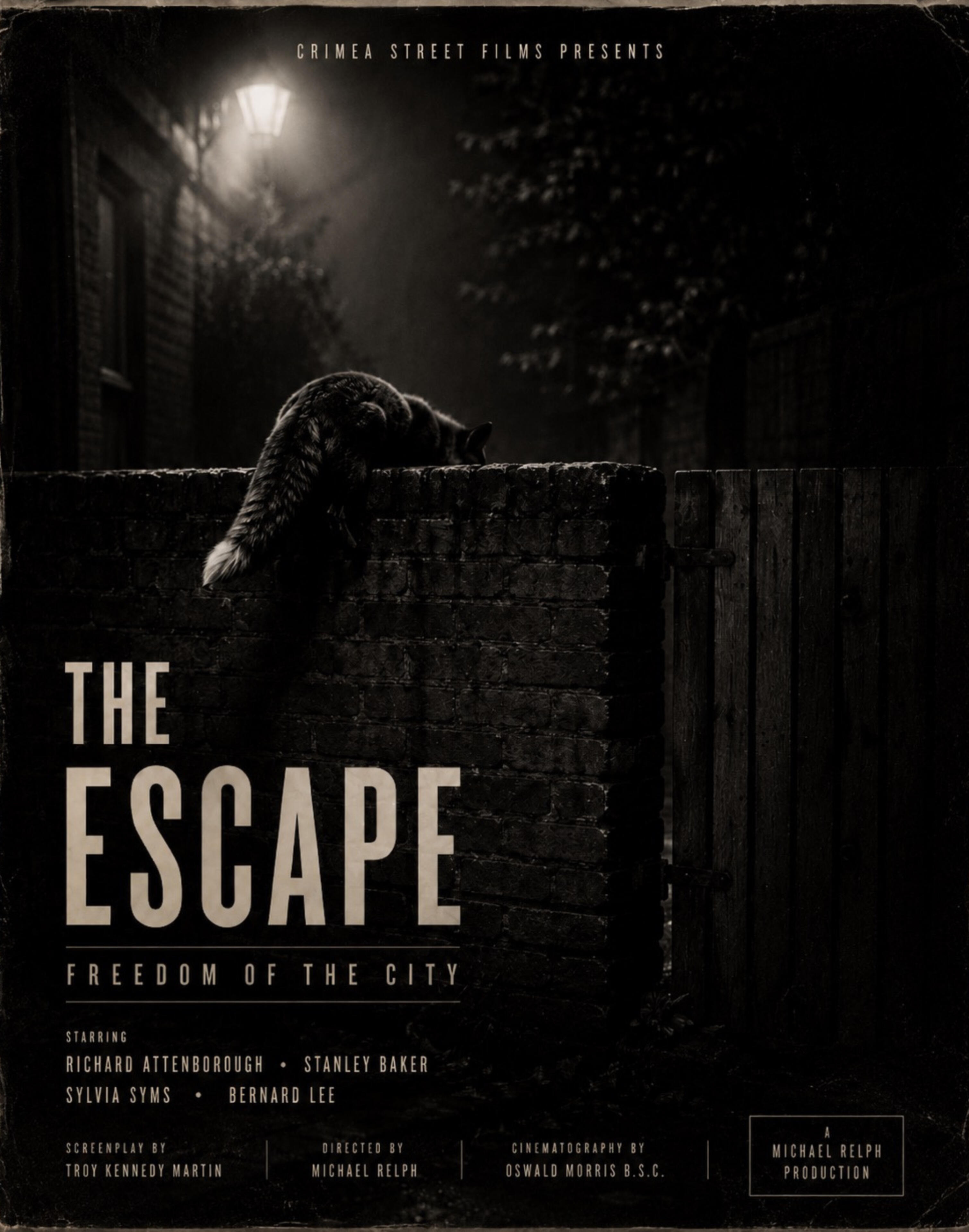
The Escape (1957)
freedom of the city
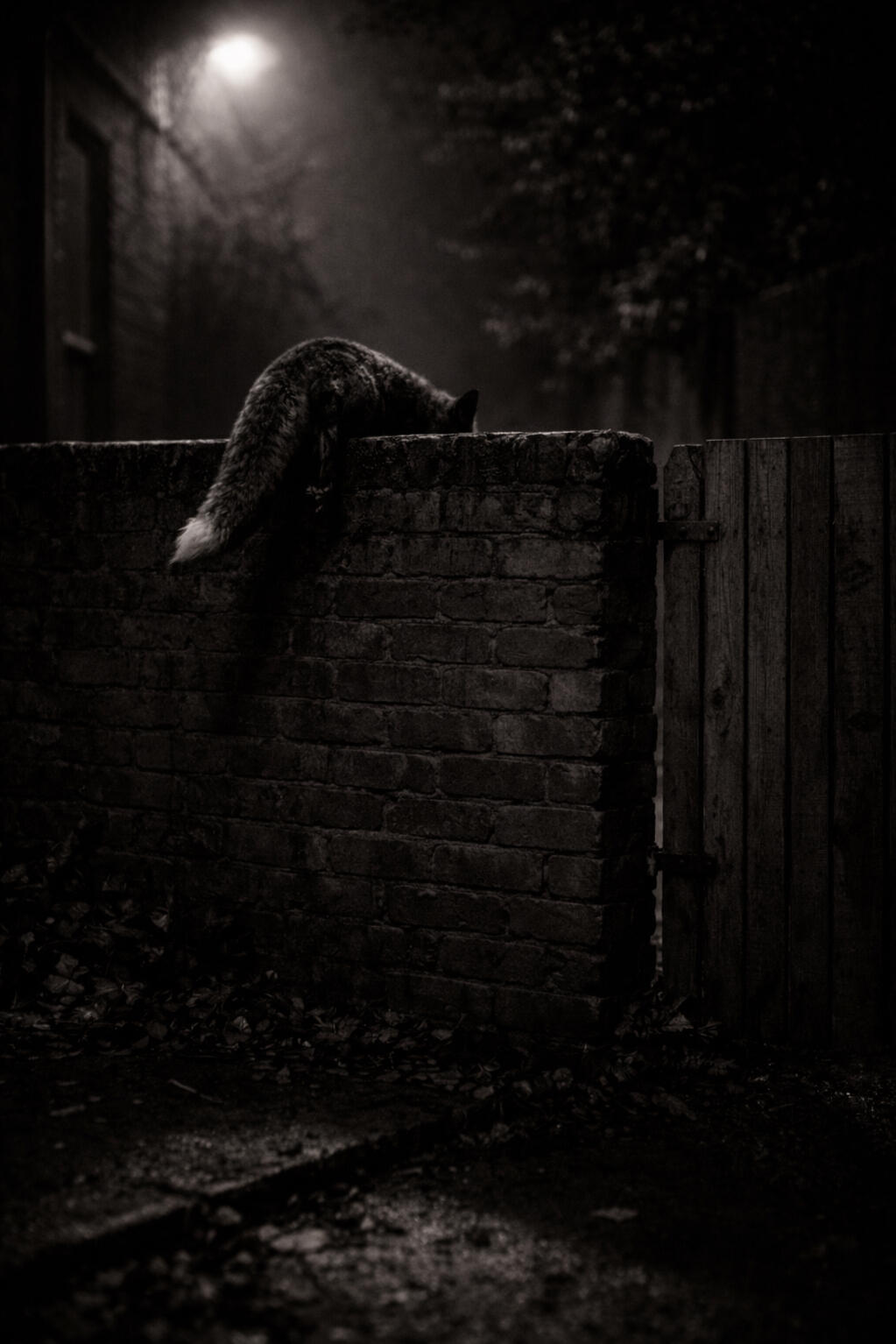
Released in late 1957, The Escape was the first feature-length production completed by Crimea Street Films and remains one of the studio’s most elusive early works. Produced on an extremely limited budget and filmed largely at night across back streets in Salford and Bolton, the production established many of the visual themes that would later come to define the company’s output: isolation, narrow spaces, wet brickwork and the uneasy relationship between freedom and confinement.Directed by Michael Relph, the film followed a young factory worker attempting to leave his neighbourhood following a minor criminal incident which is never fully explained to the audience. Rather than presenting escape as dramatic liberation, the production gradually suggested that the character’s surroundings remained psychologically inescapable, regardless of where he travelled.Though marketed by distributors as a thriller, contemporary audiences reportedly found the film unusually quiet and abstract. Long stretches contained little dialogue, relying instead on shadow, distant footsteps and the persistent sound of late-night industrial activity beyond the streets.The production became quietly associated with the appearance of a fox which recurred throughout the film, usually glimpsed briefly crossing alleyways or perched above garden walls. Critics remained divided over whether the animal symbolised escape, survival or simply reflected the studio’s growing preference for atmosphere over narrative clarity.
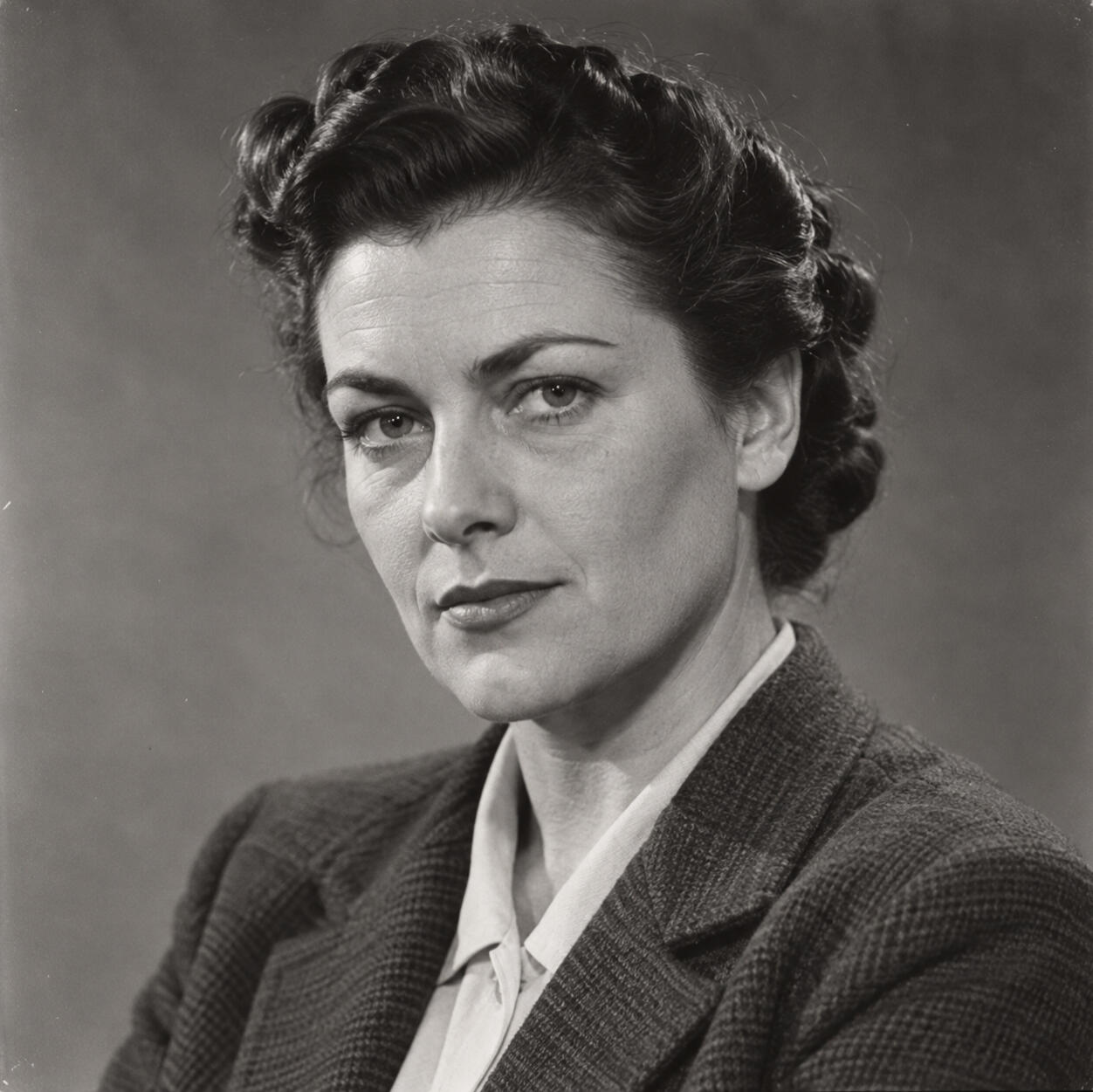
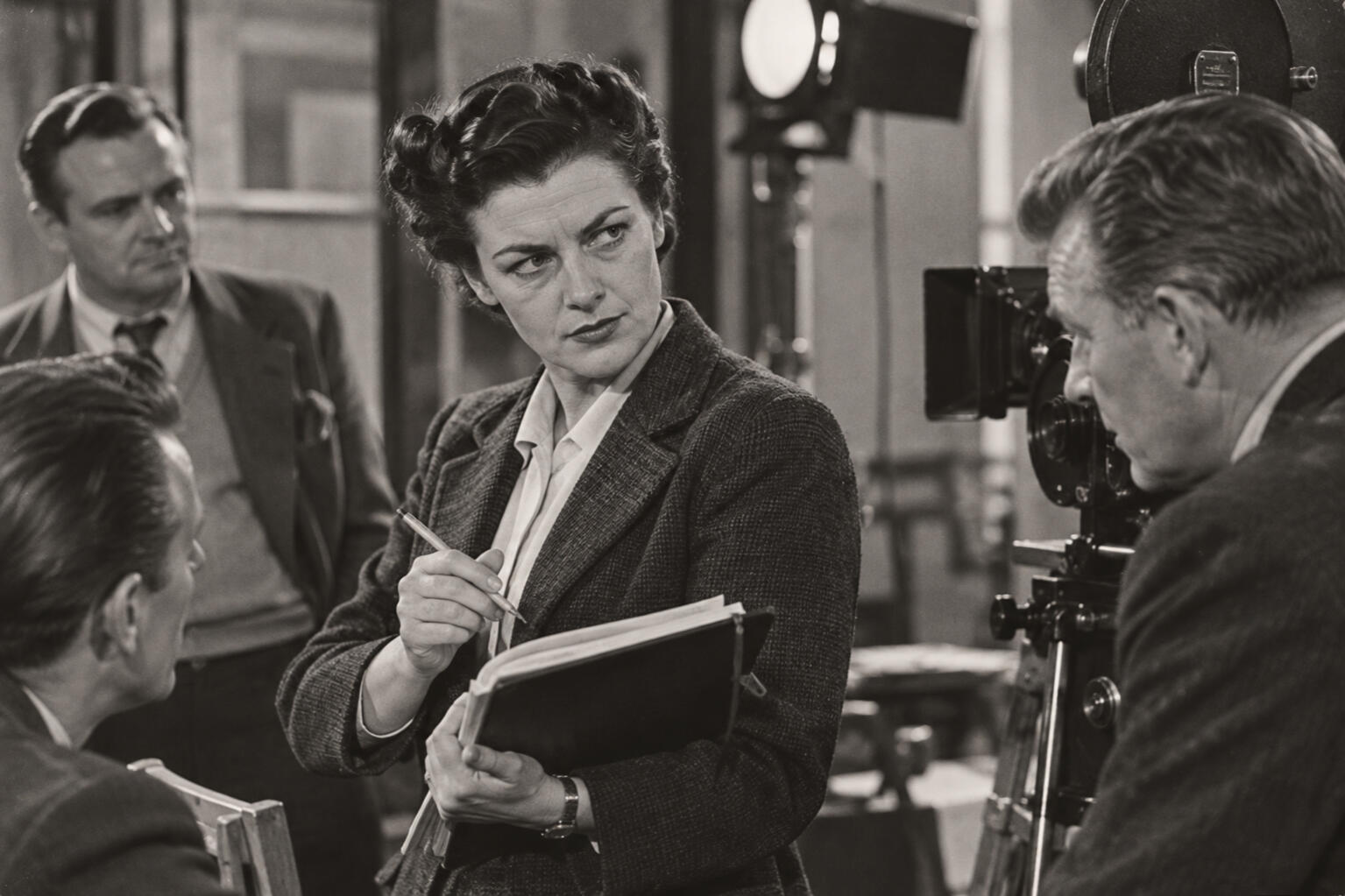
Edith Pemberton (1918–1987)Born in Horwich in 1918, Edith Pemberton began her working life as a shorthand typist at a local engineering firm before joining a Manchester theatrical company during the war. Her remarkable memory for detail and complete inability to tolerate incompetence eventually led her into film production.She joined Crimea Street Films in 1957 as continuity supervisor on The Escape, quickly establishing herself as one of the studio's most indispensable and least approachable employees. Armed with a notebook, two sharpened pencils and an expression of permanent disappointment, Edith ensured that every cigarette, drinking glass, coat button and actor remained exactly where it belonged between takes.Her relationship with directors was frequently strained. She once halted filming for forty minutes because an actor had changed the hand in which he held a newspaper. When told that nobody in the audience would notice, she replied, "Then why are we bothering to make it properly?"Despite her formidable reputation, Edith was fiercely protective of younger crew members and quietly helped several women establish careers in the industry. She remained with Crimea Street Films throughout its existence, working on numerous productions until the studio closed in 1966.Afterwards, she returned to Bolton, where she became secretary of a local amateur dramatic society. She resigned after six weeks, citing "an unacceptable attitude towards punctuality."Edith died in 1987, aged 69. Among her possessions were seventeen meticulously labelled notebooks from her years at Crimea Street Films. Not one contained a spelling mistake.
The Escape | Northern DecoA fleeting glimpse of freedom, captured in the shadows of a Northern backstreet. A solitary figure disappears over a high brick wall beneath the unforgiving glow of a streetlamp, leaving only darkness and unanswered questions behind.This Northern Deco interpretation of The Escape reduces the drama to its essential elements. Angular geometry, fractured shadows and a restrained palette of charcoal, slate and muted stone create a striking composition in which the architecture feels as threatening as whatever lies beyond it.The figure is almost swallowed by the wall, caught between the world being abandoned and the uncertainty awaiting on the other side. It is a moment of extraordinary tension, made all the more powerful by what remains unseen.Available exclusively through FCSF, this artistic interpretation is available unframed on 240 gsm art paper and measures 16 x 20 inches.
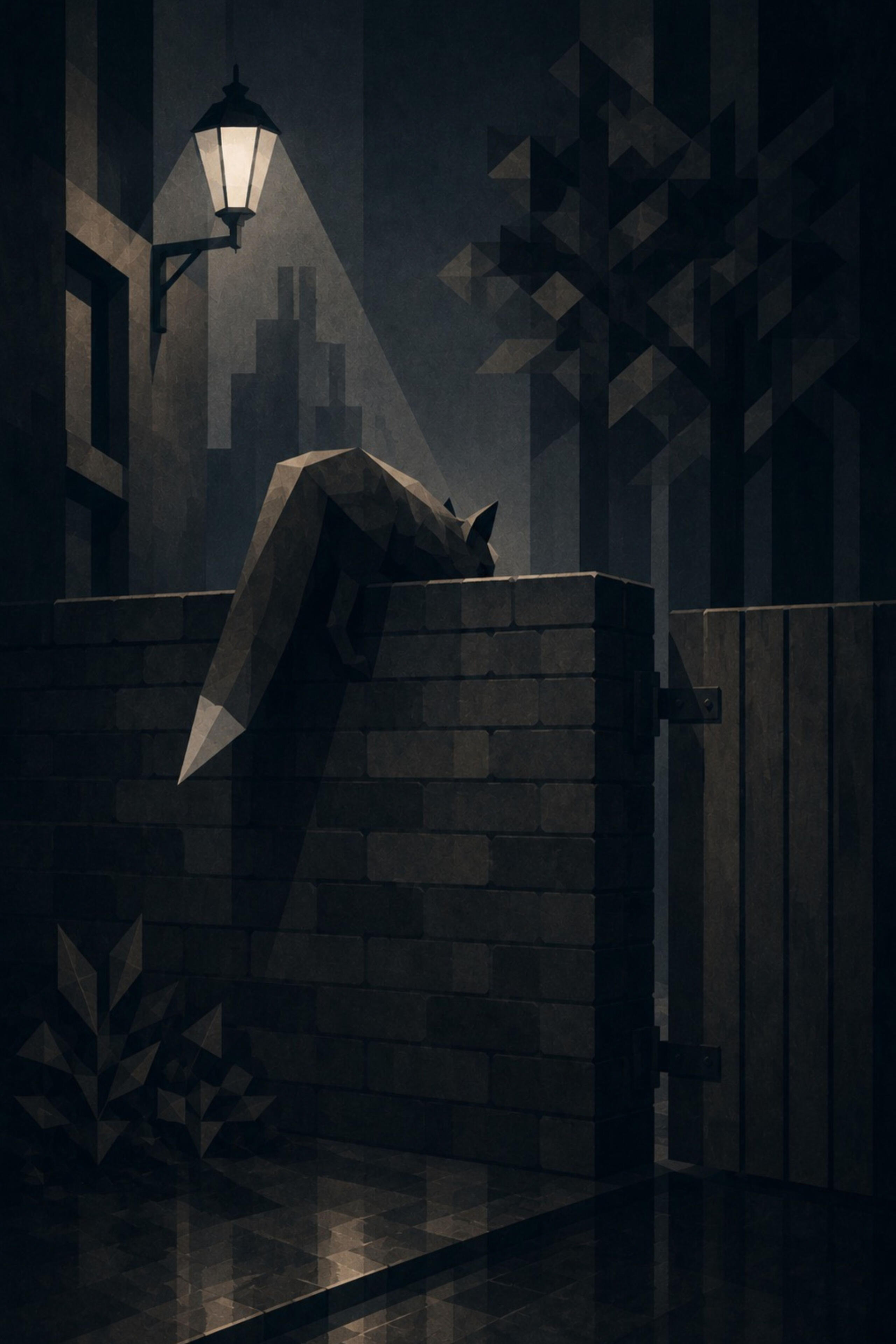
What did the critics think?
Critical response upon release was cautious rather than enthusiastic.The Manchester Evening Chronicle described the production as:“A remarkably assured first feature, though one not especially concerned with cheering its audience.”While the Daily Sketch offered a cooler assessment:“An economical thriller in which everybody appears permanently cold.”The Liverpool Echo proved slightly more sympathetic, noting:“Relph photographs the North with unusual seriousness, even when very little is occurring.”Commercially, The Escape performed poorly outside Lancashire and disappeared from circulation relatively quickly following its original release.Several smaller cinemas reportedly moved the film to afternoon screenings within its first fortnight, citing limited audience demand and complaints regarding its slow pacing.
From the archive
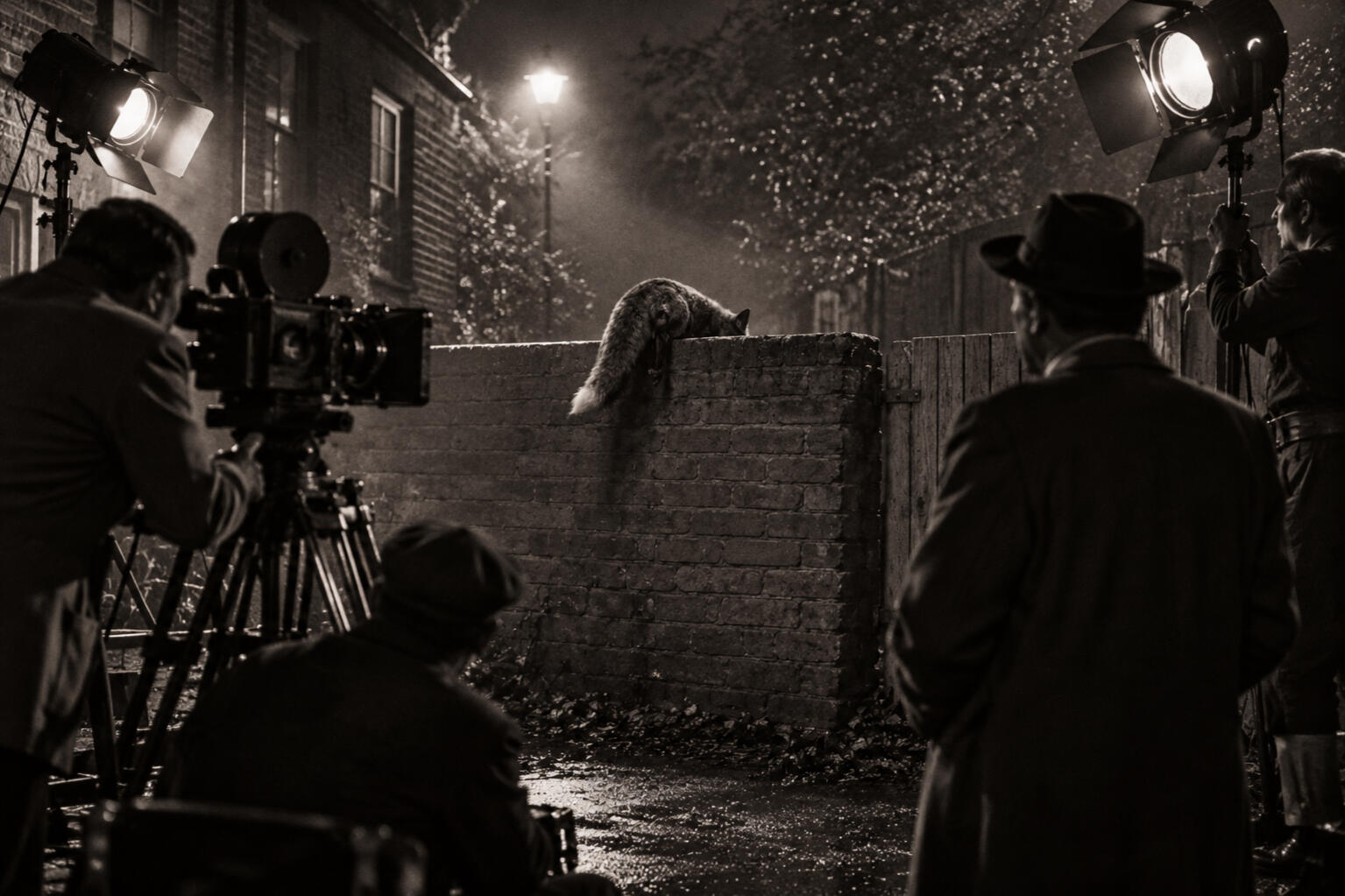
Filming of The Escape was interrupted when a Pendleton householder discovered that permission to film in her yard apparently included twelve attempts to climb her wall.She demanded an additional £2 and threatened to release her Alsatian.The studio's expenses ledger recorded the payment as "Location security."
Publicity shot from the archive
The artwork of Reg Baines
The original posters created by Reg Baines are synonymous with the studio and are very much part of its history.They would have been seen throughout the North of England outside cinemas, on hoardings and in places such as train stations.Most of them were damaged in a fire at the studio in late 1966, but we are delighted to now work with Parbold-based artist, Brian Astley.He has faithfully reproduced each poster to a standard that our Reg would have been proud of and each one is available unframed on 240 gsm art paper as a 16 x 20 inch homage to the films we celebrate.